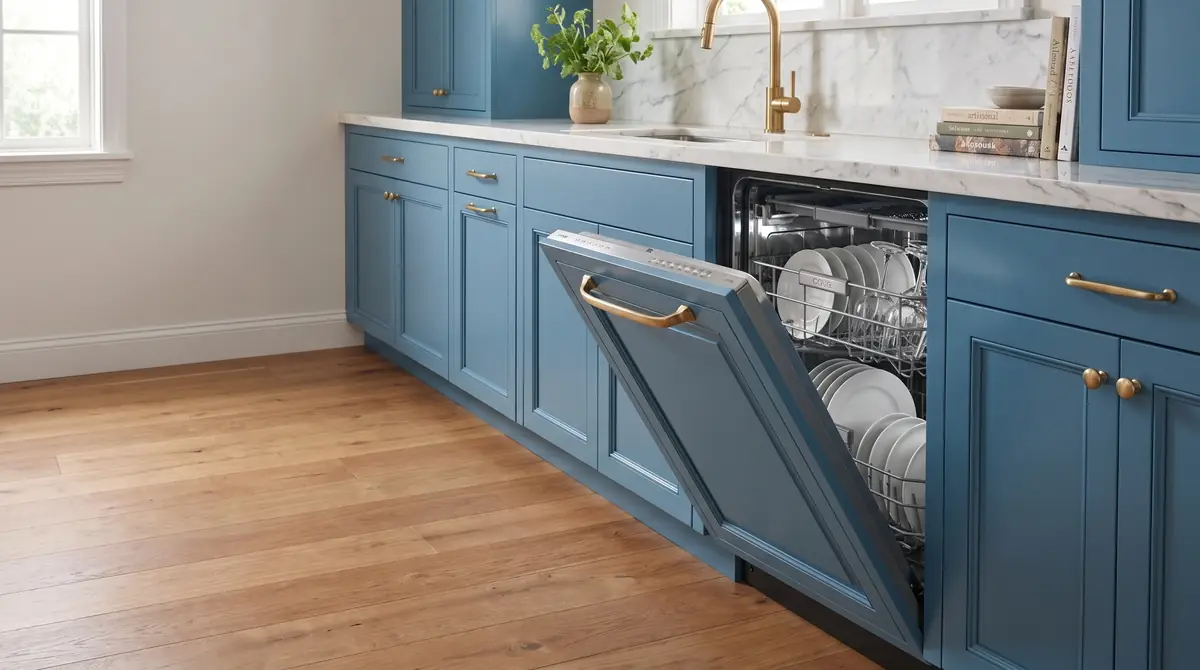
Cove dishwasher repair in Pinellas County should not mean waiting on someone to guess at a machine they rarely see. You chose a Cove because it sits flush with your cabinetry, runs quietly and is meant to hand back clean, dry dishes. When it starts leaving water in the tub or showing a message you do not recognize, you want someone who understands how a built-in, panel-ready dishwasher goes together.
We repair Cove dishwashers in kitchens across Pinellas County, from remodeled family kitchens to second homes that sit empty for part of the year. You get a plain explanation of what went wrong and what the repair costs before any work begins, and your cabinetry and floors are treated with care while we work.
Schedule Service (opens in a new tab)
What Cove Builds and What We Repair
Cove makes one kind of appliance: the dishwasher. It is sold alongside Sub-Zero and Wolf, and Cove describes its dishwashers as sharing the same DNA as those two brands, so all three often end up in the same kitchen.
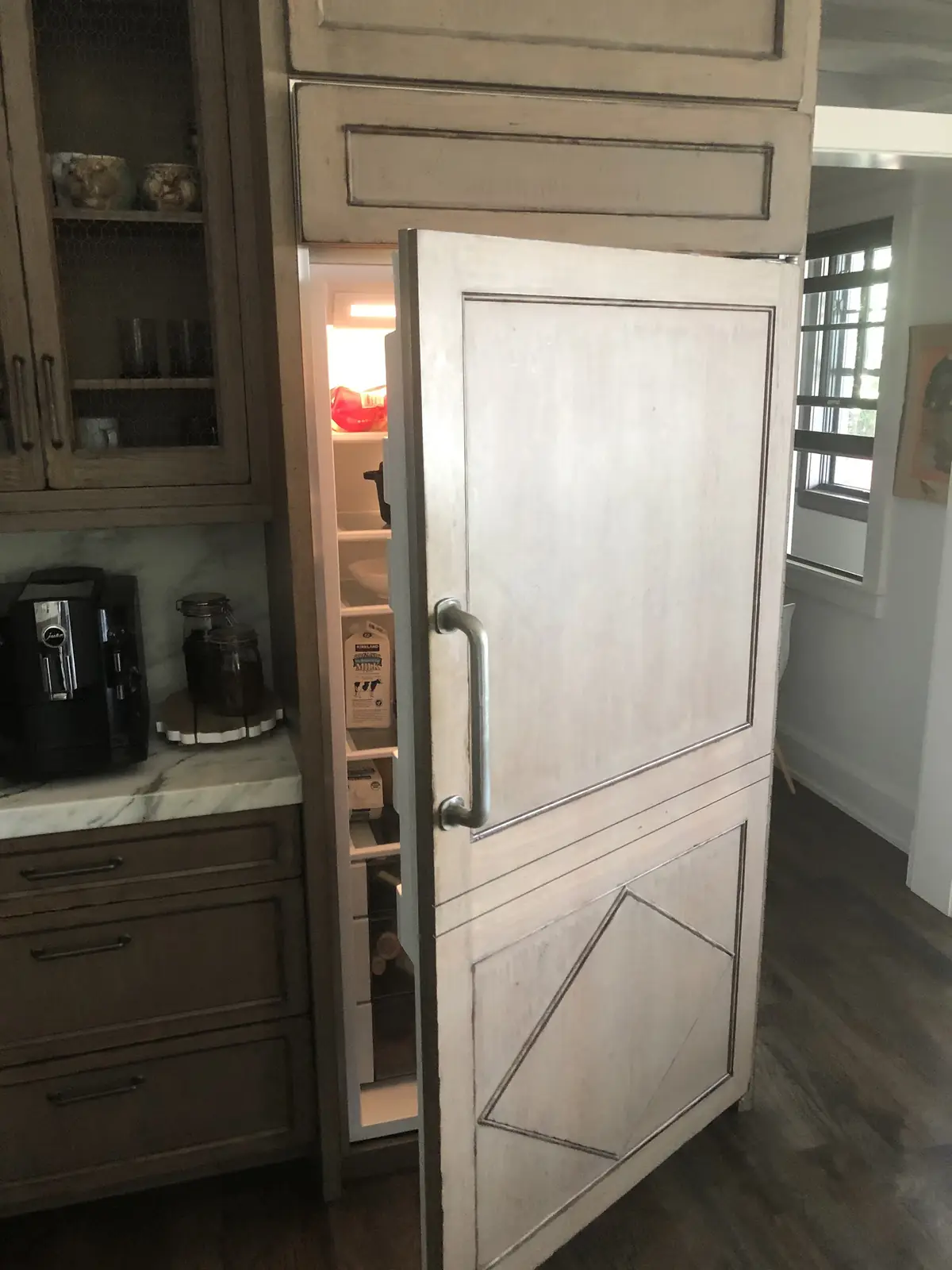
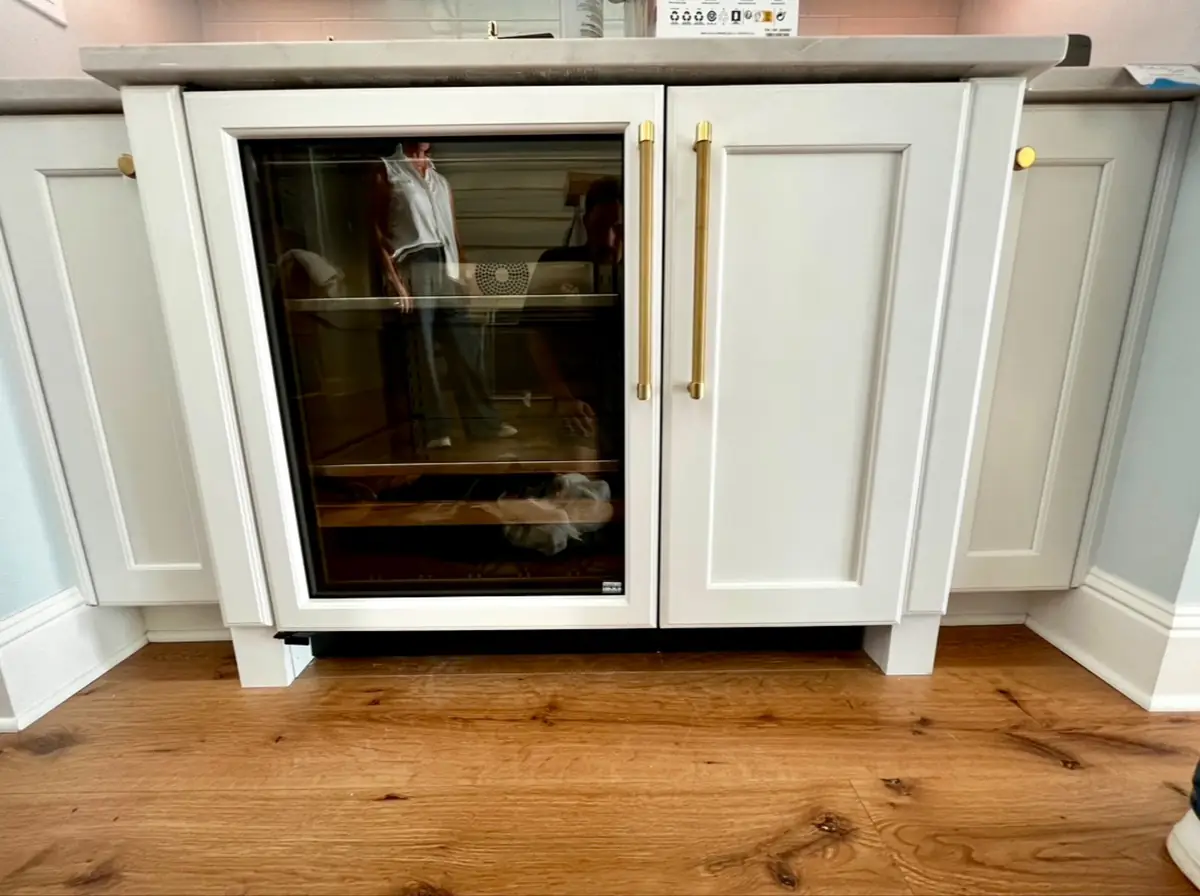
Your Cove is a 24-inch built-in dishwasher. Depending on how it was ordered, the door wears a custom panel that matches your cabinets or a stainless steel door kit, and some homes have the ADA-height version or the option with a built-in water softener. We repair the systems that keep that design working:
- Wash and filtration: the spray arms, the circulation pump and the four-stage filtration system Cove uses to keep debris out of the wash water.
- Draining: the drain pump, drain hose and connections that carry water out of the tub.
- Water supply: the inlet valve, the fill path and, on softener models, the softener system.
- Drying: the fan-assisted drying system that Cove relies on instead of a towel touch-up.
- Controls: the control board, the display and the sensors behind its soil-sensing cycles.
- Door and hinges: the springs, hinges, latch and door seal that let a heavy custom panel open and close smoothly.
When Your Cove Dishwasher Acts Up: What It Can Mean
A symptom points in a direction. It does not settle the diagnosis, but it helps you describe the problem when you call.
Water Left in the Bottom of the Tub
If you open the door after a finished cycle and find standing water, something is keeping it from draining. A packed filter, a kinked or blocked drain hose, a clogged connection at the garbage disposal or a drain pump that has stopped moving water can all leave it behind.
Dishes Come Out Wet or Spotted
Cove builds its dishwashers around fan-assisted drying, so wet dishes are worth a look. An empty rinse aid dispenser is the simplest possibility. A drying fan that is not running, a sensor giving the control a bad reading, or hard-water film on a softener model that needs attention are others.
A Leak at the Toe Kick or Under the Cabinet
Water at the base of a built-in dishwasher deserves quick attention, because it can soak into a cabinet base or a wood floor before you ever see it. A worn door seal, a loose drain or supply connection, a cracked hose or a dishwasher that has shifted out of level can each let water escape.
The Door Drops Open or Will Not Stay Put
A custom panel adds weight to the door, and the door springs are set to balance it. If the door falls open hard, snaps back shut or rubs the cabinet beside it, a spring, hinge or panel adjustment may be off.
A Message on the Display or a Cycle That Will Not Start
Some messages are simple reminders. Cove's own care guidance, for example, shows a clean filter message based on how many cycles have run, not on how dirty the filter is. Other messages point to a water supply, drain or control problem that needs testing, so write down exactly what the display says before you call.
Safe Checks Before You Call
A few checks take no tools and can save you a visit:
- Clean the filter: Cove treats filter cleaning as an owner task, and the use and care guide walks you through it with nothing more than soap, water and a soft brush.
- Check the breaker: If the display is dark, look for a tripped breaker on the dishwasher's circuit.
- Check the water supply valve: Make sure the shutoff valve that feeds the dishwasher, usually under the sink, is fully open.
- Refill rinse aid: An empty dispenser is one of the easiest explanations for wet or spotted dishes.
- Wipe the door seal: Food or grit on the seal can keep the door from closing tightly.
If none of that helps, stop there. Anything behind the toe kick or inside the door belongs to your technician.