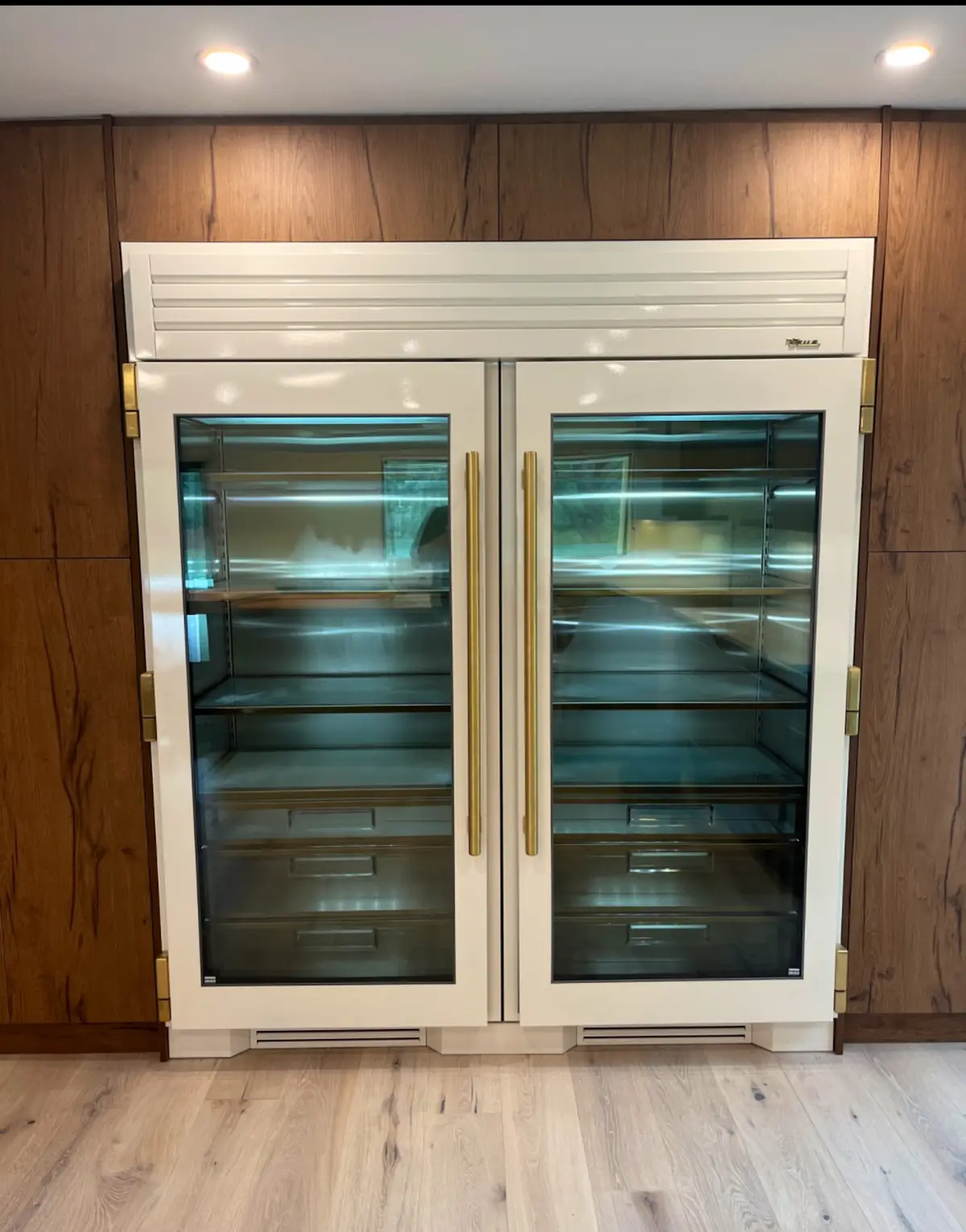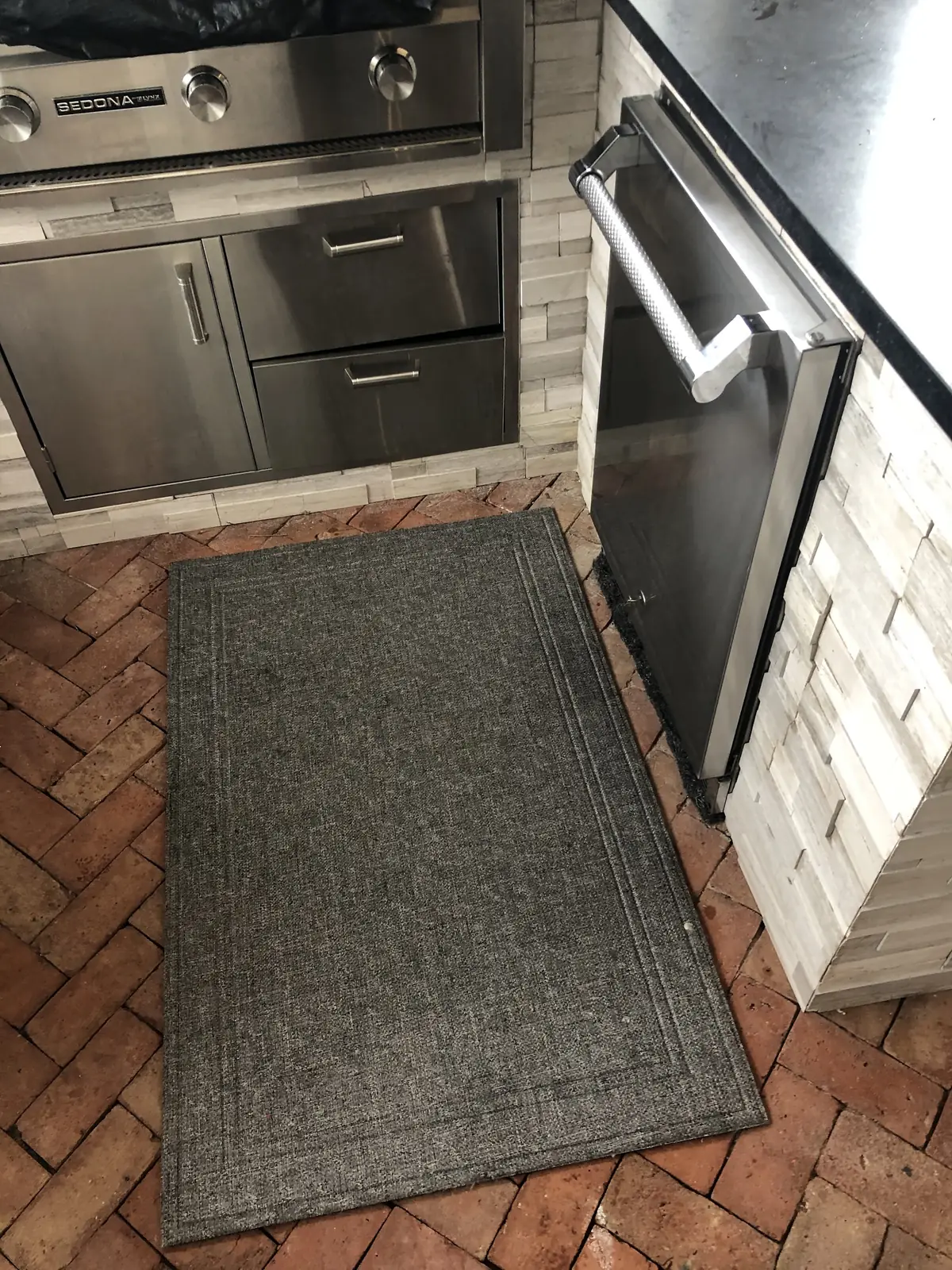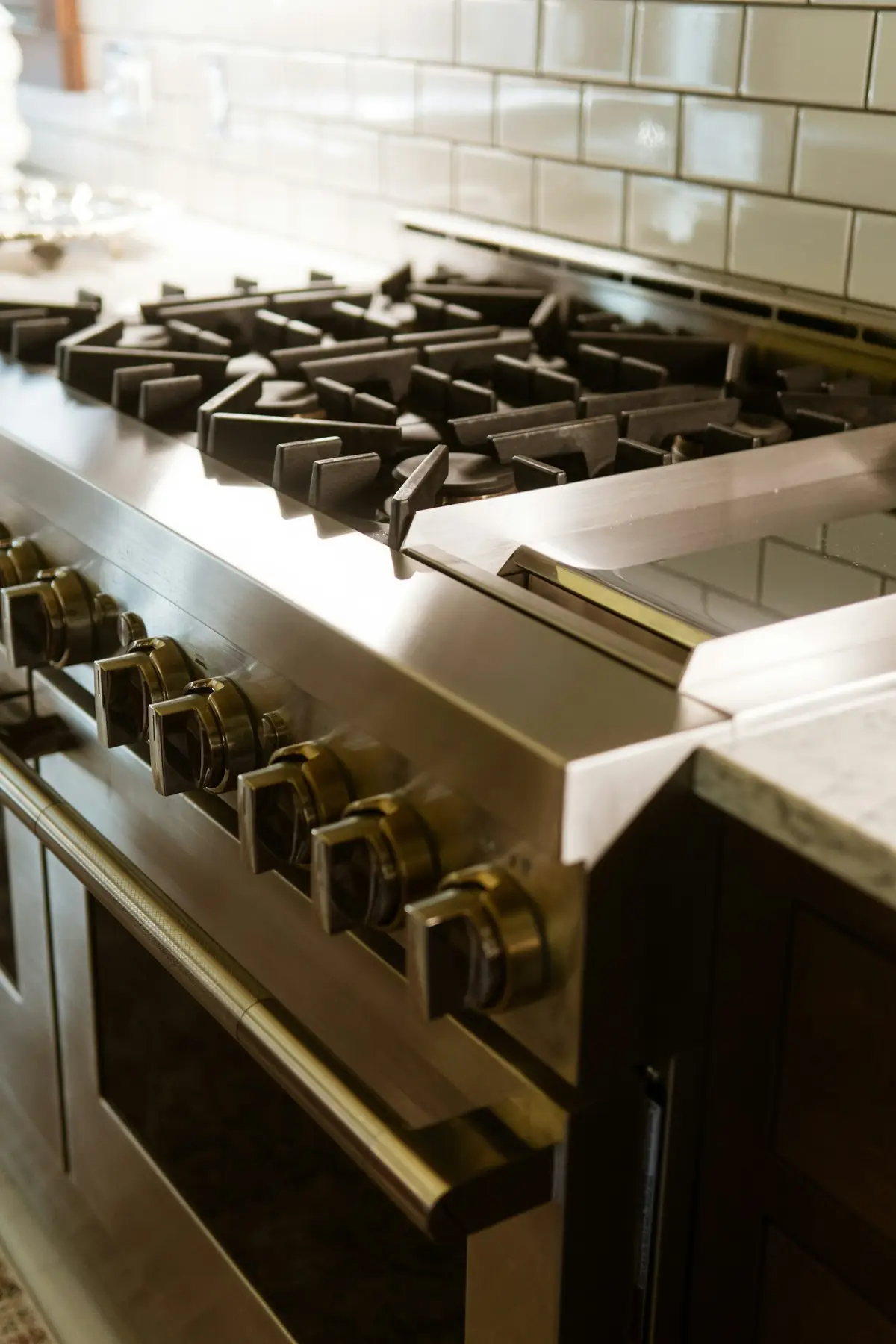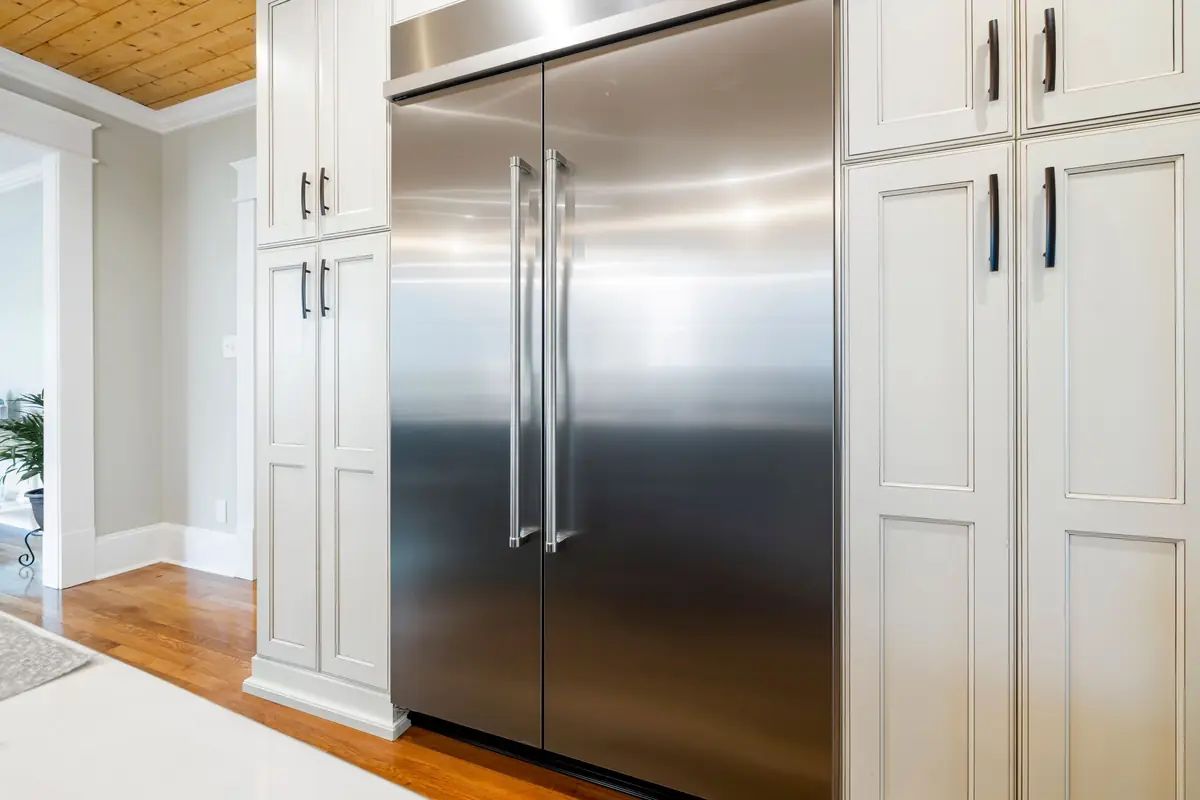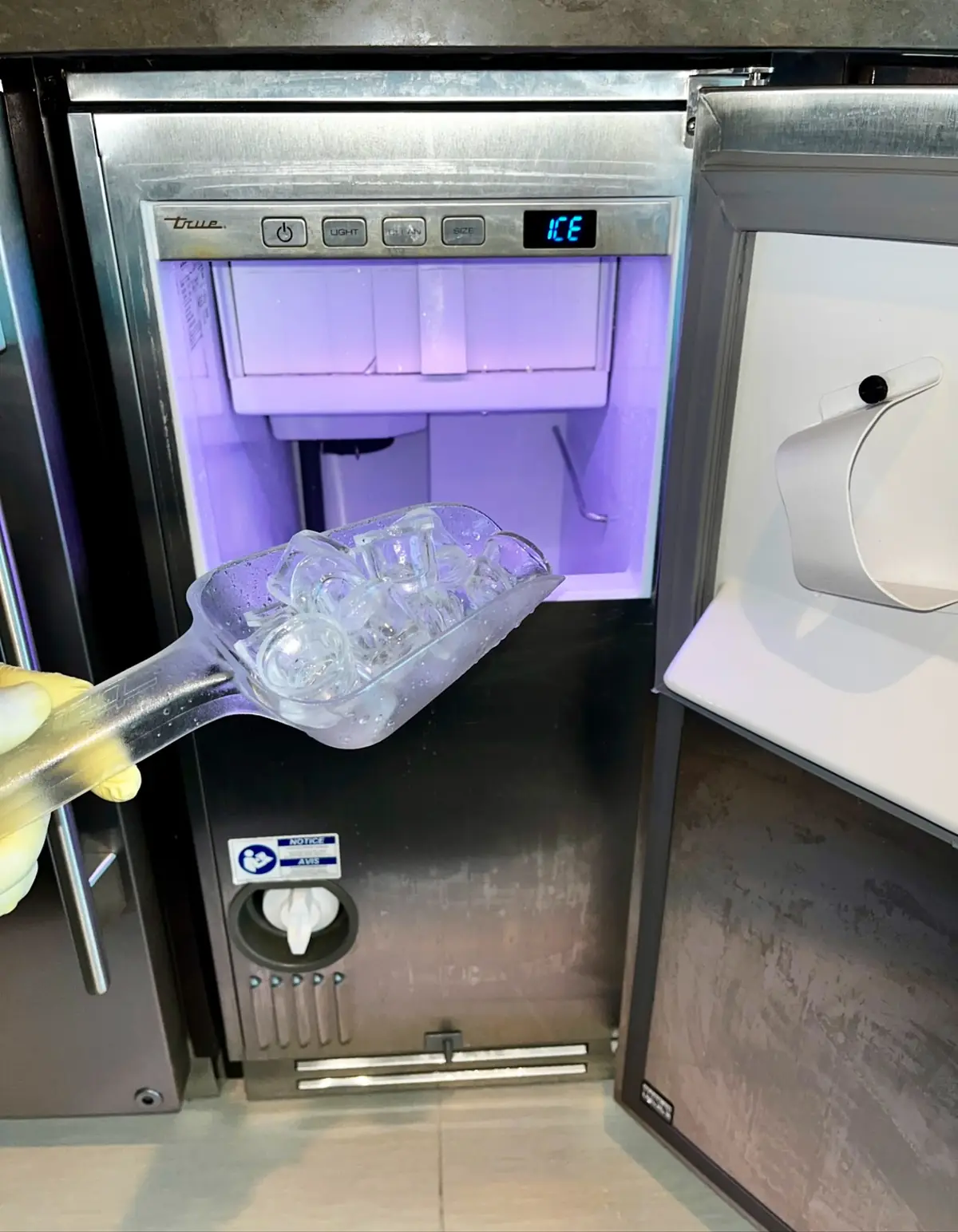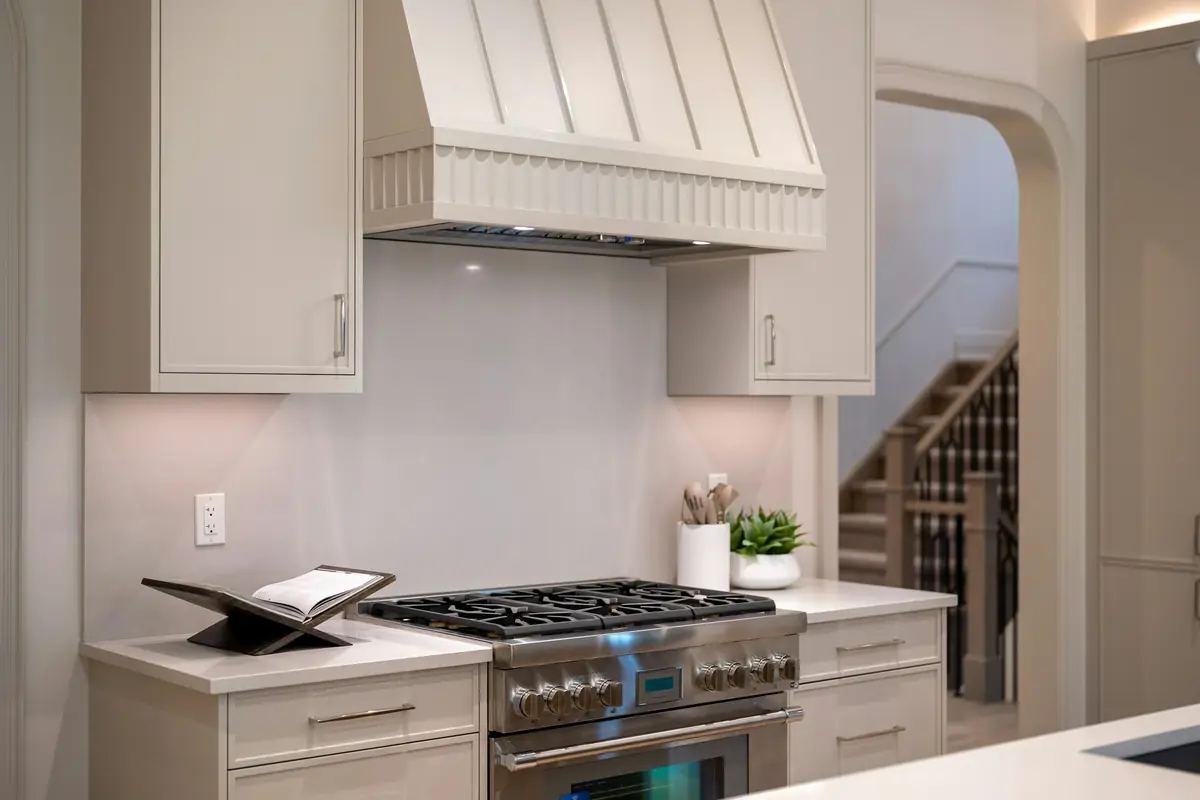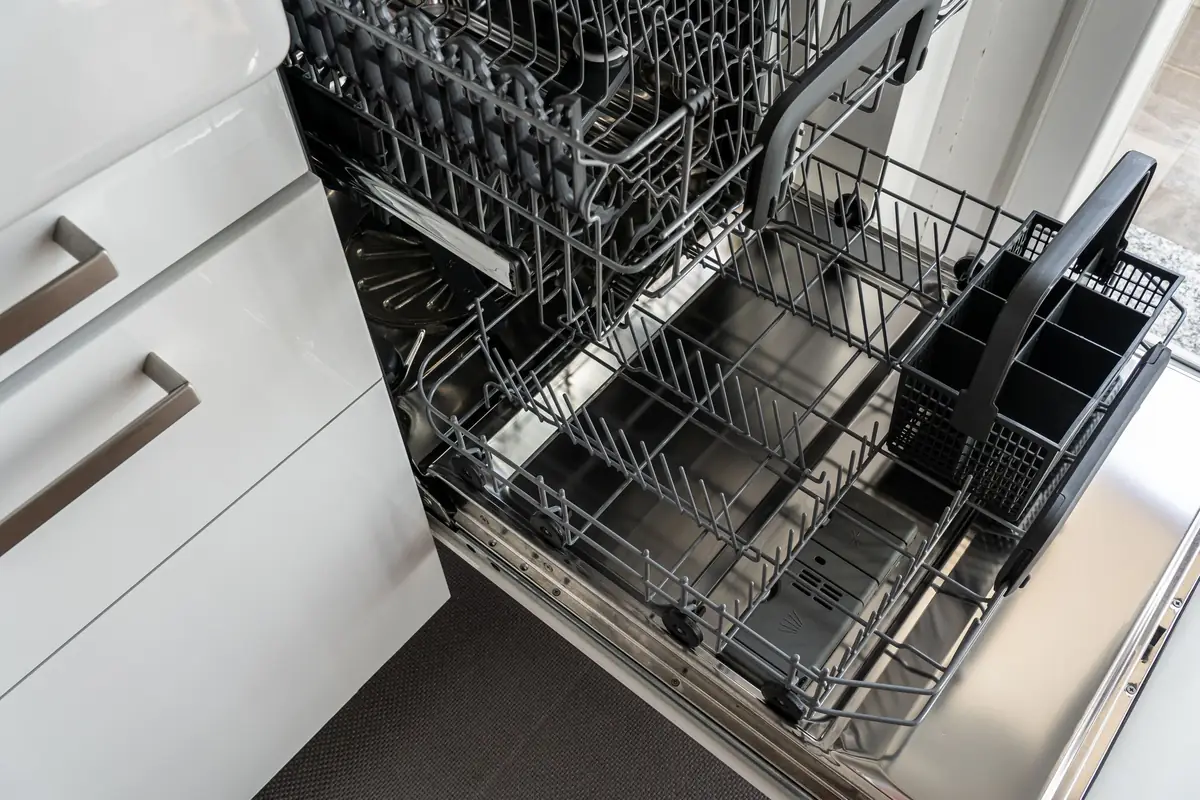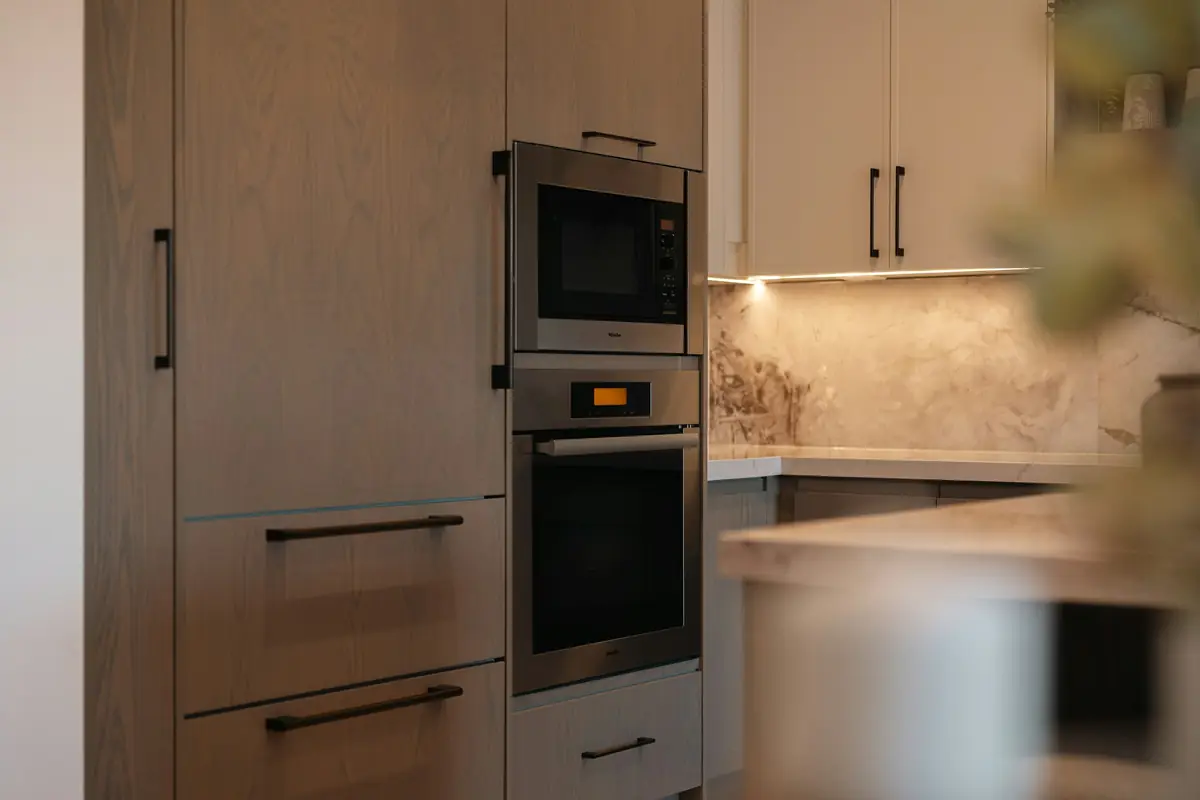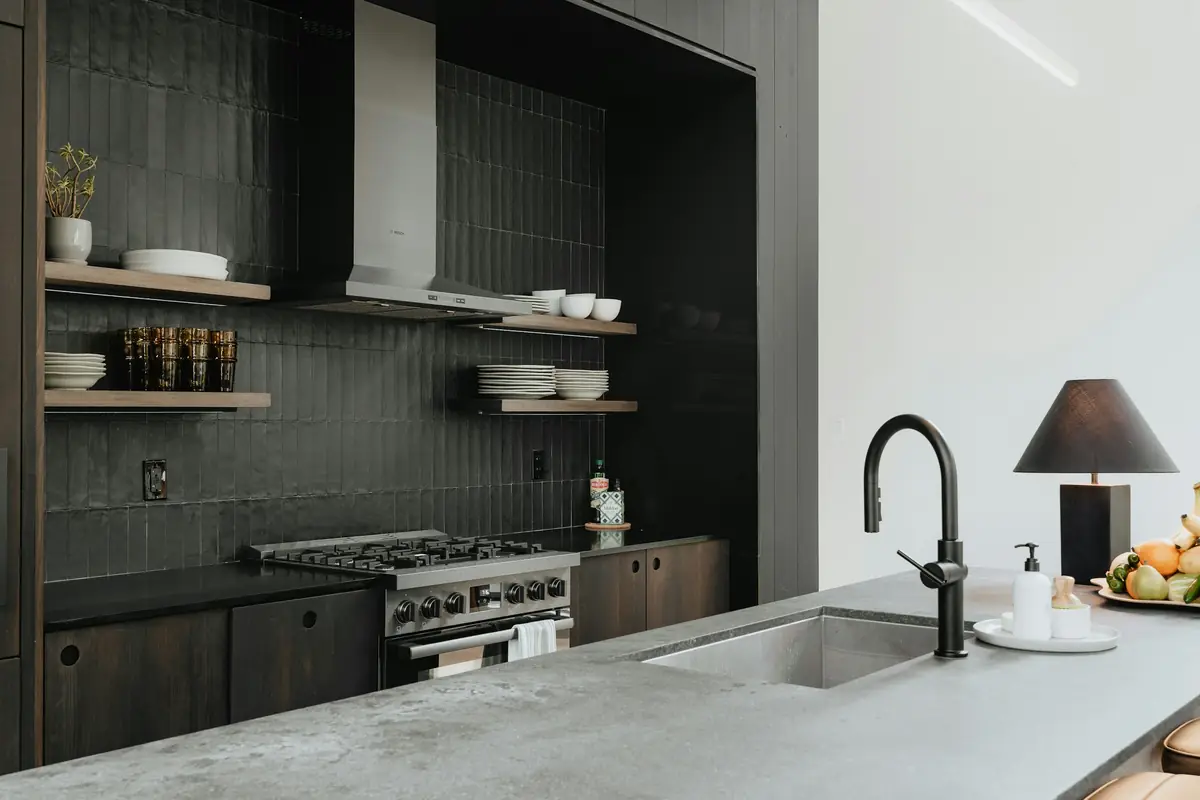
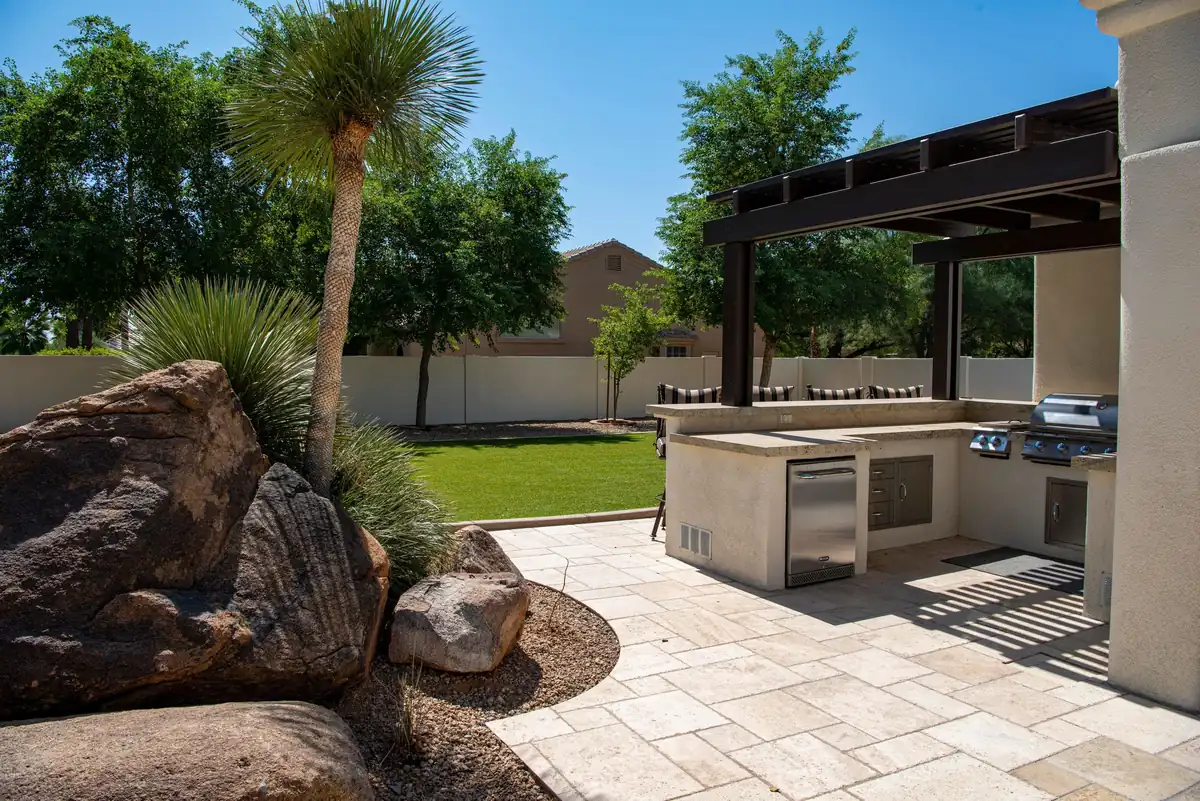
Outdoor kitchen appliance repair in Pinellas County deals with machines that never get a day off from the weather. Your built-in grill and the refrigerator drawers beside it live in salt air, summer heat, afternoon storms and spring pollen, and sooner or later something gives: a burner that will not catch, a flame that burns lazy and yellow, a beverage center that cannot keep up in August.
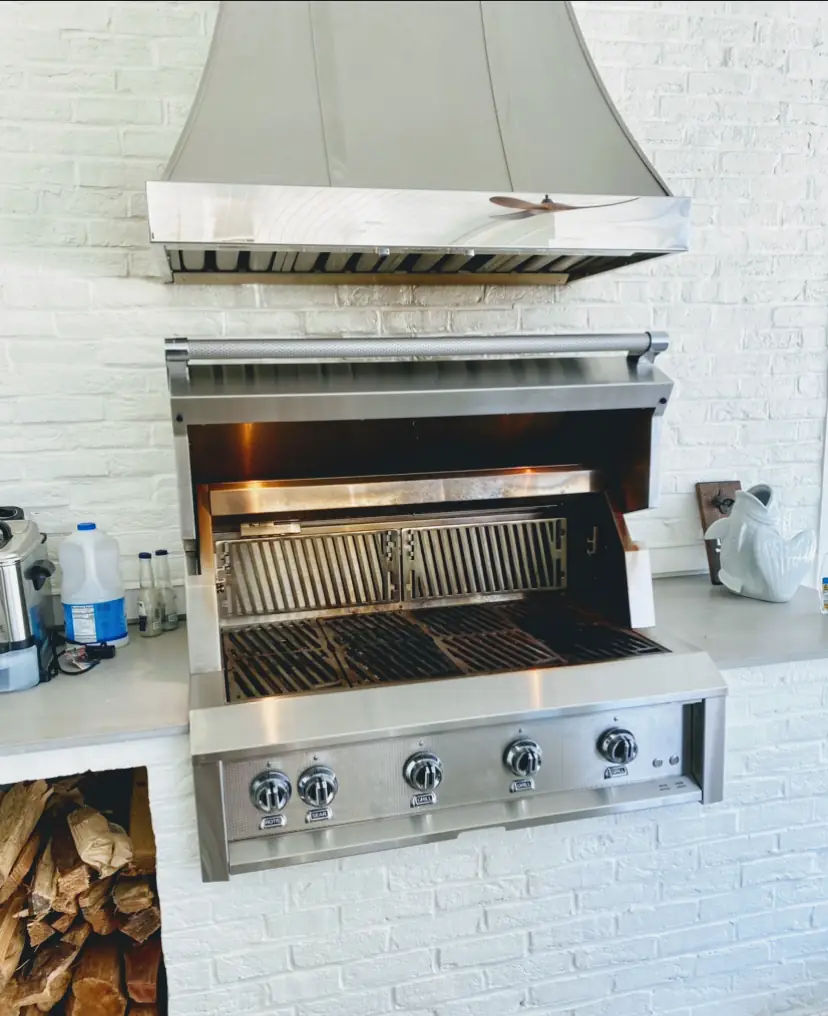
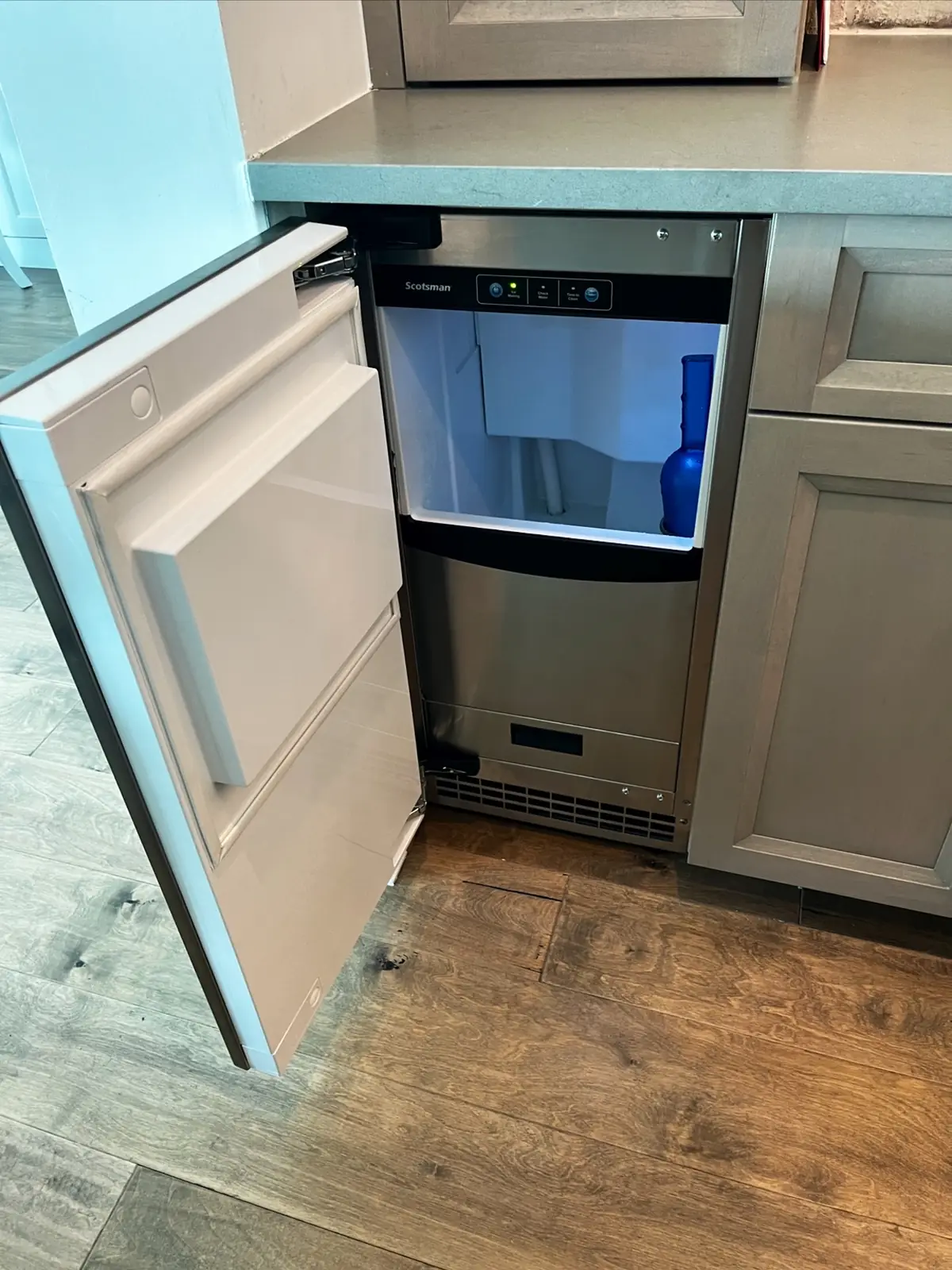
From built-in grill repair to outdoor refrigeration, we handle the appliances in outdoor kitchens across the county: natural gas and propane grills set into stucco and stone islands, side and power burners, outdoor-rated undercounter refrigerators, refrigerator drawers, beverage centers and outdoor ice makers. You hear what failed and what the repair costs before any work begins, and then you get back to cooking outside.
Schedule Service (opens in a new tab)
What Makes an Outdoor Kitchen Different
An outdoor kitchen looks like a counter with a grill in it. Inside the island sit a gas supply, outdoor outlets and sometimes a water line and a drain, hidden behind access doors and finished in stone, tile or stucco. Each appliance fits an opening cut to its exact size.
Outdoor-rated equipment is made for open air, but life near the Gulf still asks a lot of it. Salt air from the Gulf and the bays wears on stainless, hinges, igniter electrodes and control boards. Pollen and leaves settle in refrigeration vents, summer heat keeps compressors running longer, and afternoon thunderstorms bring wind-driven rain and power interruptions. That is why your technician looks at what the weather did, not just at the part that failed.
How a Built-In Gas Grill Works
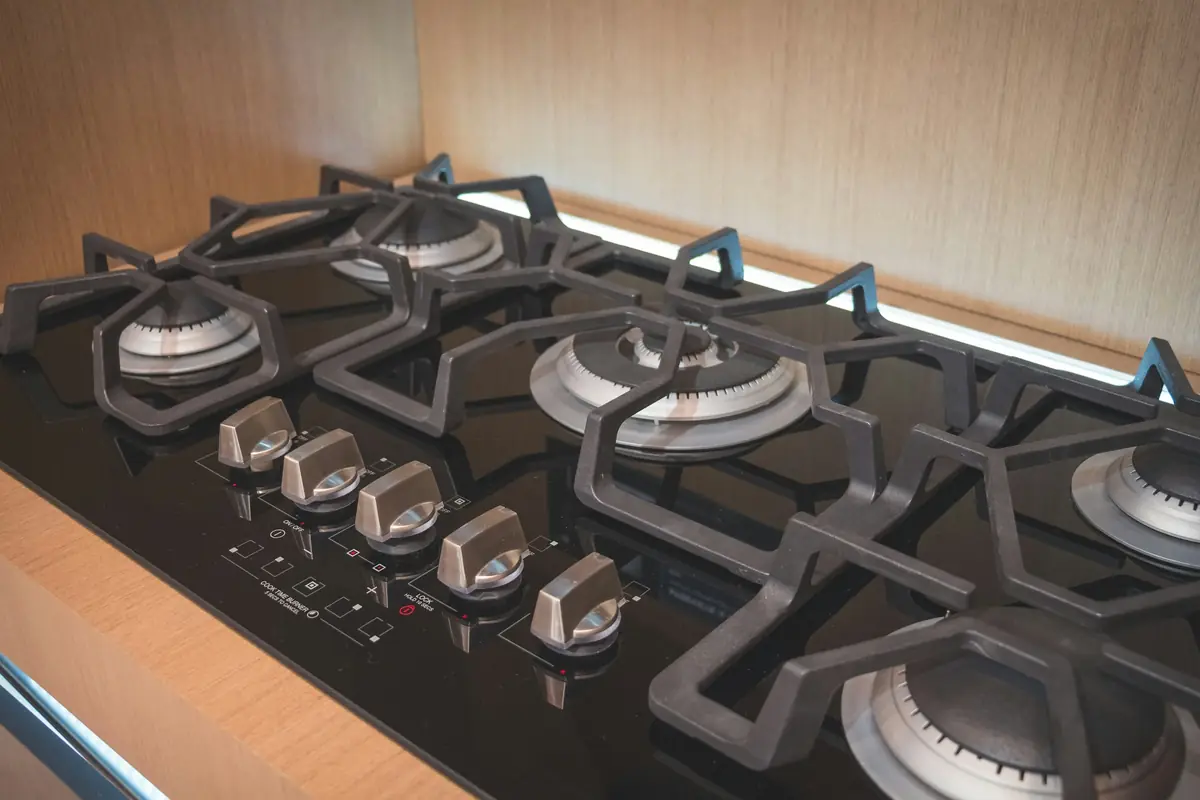
Gas arrives from a natural gas line or a propane tank. A regulator brings the pressure down, and a manifold carries the gas to a valve behind each knob. From the valve, gas passes through a small brass orifice into the burner tube, where an opening called the venturi draws in air so gas and air mix before they reach the burner ports.
Many built-in grills light with a spark from an electronic module, often battery powered. Others use a push-button igniter, or a hot surface igniter that glows instead of sparking and needs household power. Some infrared and rotisserie burners also have a safety valve that keeps gas flowing only after a sensor feels heat. Infrared sear burners, rotisserie motors, side and power burners and lights each add parts that can wear out.
Gas Safety Around the Grill
Most grill problems are frustrating, not dangerous. A gas smell is different. If you smell gas at the grill or near the island, do not touch light switches, plugs or the grill's controls. Move everyone away from the grill and the island, and if the smell reaches the house, get everyone outside. Then call your gas utility or 911 from a safe distance, or your propane supplier if the grill runs on propane.
Please leave gas parts to a professional. Valves, regulators, orifices, hoses and burner connections are not owner repairs. New gas lines and changes to the supply belong with a plumber or your gas company.